
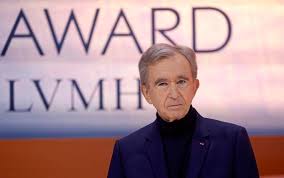
The Dawn of a Luxury Powerhouse Partnership
In July 2025, the luxury world buzzed with news that L Catterton, the private equity firm backed by French luxury giant LVMH, acquired a 20% stake in Flexjet, a leading private jet operator, for a staggering $800 million. This deal, the largest equity investment in private aviation history, signals a seismic shift in how luxury brands are redefining travel for the ultra-wealthy. It’s not just about flying from point A to point B anymore—it’s about curating an exclusive, bespoke experience that screams sophistication. Imagine sipping Dom Pérignon at 40,000 feet, in a cabin designed with the same flair as a Louis Vuitton boutique. That’s the vision here.
Why This Deal Matters
A Game-Changer for Private Aviation
The $800 million investment, led by L Catterton with participation from KSL Capital Partners and the J. Safra Group, values Flexjet at $4 billion—a significant leap from its $3.1 billion valuation during a failed SPAC deal in 2022. This isn’t just about money; it’s about aligning private aviation with the pinnacle of luxury branding. Flexjet, already a strong competitor to industry giant NetJets, is positioning itself as the boutique alternative, focusing on exclusivity over volume.
The Luxury Industry’s Shift to Experiences
Luxury is no longer just about owning a designer handbag or a rare watch—it’s about time and experiences. According to a Bain and Altagamma report, while global luxury goods sales dipped by 2% in 2024 to €363 billion, luxury hospitality grew by 4%, and private jet sales surged by 13%. L Catterton’s investment taps into this trend, betting on the idea that the ultra-wealthy value time-saving, curated travel experiences over material possessions. As Flexjet Chairman Kenn Ricci put it, “They basically see that the luxury of the future is time.”
Who Are the Players?
L Catterton: The Luxury Investment Titan
L Catterton, formed in 2016 through a partnership between Catterton, LVMH, and Bernard Arnault’s family office, manages $37 billion in equity capital. With investments in iconic brands like Birkenstock and Etro, it’s a powerhouse in consumer-focused private equity. LVMH, which owns 40% of L Catterton, brings its portfolio of over 75 luxury brands—think Louis Vuitton, Dior, and Tiffany & Co.—to the table, opening doors for unparalleled brand collaborations.
Flexjet: The Boutique Aviation Leader
Founded in 1995 and now part of Directional Aviation Capital, Flexjet operates a fleet of over 300 aircraft, including Embraer Phenom, Praetor, Bombardier Challenger, and Gulfstream models. With more than 2,000 members in its fractional ownership and leasing programs, Flexjet has carved out a niche by offering bespoke services and exclusive experiences. Its fleet is projected to grow to 340 by the end of 2025, fueled by a $7 billion deal with Embraer for 182 jets.
The Supporting Cast: KSL and J. Safra Group
KSL Capital Partners specializes in travel and leisure, with a focus on hospitality and recreation. The J. Safra Group, managing $345 billion in assets, brings financial heft and expertise in real estate and banking. Together, these investors create a formidable consortium, ensuring Flexjet has the resources to compete in a cutthroat industry.
What’s Behind the Investment?
Tapping into the Ultra-Wealthy’s Mindset
The ultra-wealthy are changing. Flexjet’s clientele, once averaging 62 years old in 2019, now averages 58, with a surge in tech and crypto entrepreneurs. These younger, high-net-worth individuals crave flexibility, exclusivity, and global reach. Flexjet’s focus on larger aircraft for international routes, like London and Dubai, aligns perfectly with this demand. A tenfold increase in flights to the Middle East since 2021 underscores this shift.
Synergy with LVMH’s Luxury Ecosystem
LVMH’s acquisition of Belmond in 2018 for $3.2 billion set the stage for its push into luxury hospitality. Flexjet’s existing partnerships with Belmond, Bentley, and Ferretti Group (think Riva Yachts) show its knack for creating exclusive experiences. Imagine a Flexjet jet with a Louis Vuitton-themed cabin or a Dior spa experience mid-flight. L Catterton’s expertise in consumer insights and brand strategies will amplify these collaborations, making every flight a curated event.
Financial Muscle and Growth Potential
Flexjet’s financials are robust, with revenues doubling from $1.8 billion in 2020 to $3.8 billion in 2024. Its EBITDA is projected to hit $425 million in 2025, up from $398 million in 2024. The $800 million injection, with $200 million going to shareholders and the rest to infrastructure, signals confidence in Flexjet’s growth trajectory. Investments in private terminals, maintenance facilities, and a training academy at Farnborough Airport are already enhancing its offerings.
How Flexjet Stands Out
The Boutique Experience
Unlike NetJets, which dominates through scale, Flexjet aims to be the “private club” of aviation. Its bespoke cabins, inspired by luxury hotels, and partnerships with brands like Bentley and Riva create a unique selling point. For example, its Red Label program offers customized interiors, making each jet feel like a personal retreat. Ricci’s philosophy? “We don’t need to be the largest. We want to be the boutique.”
Exclusive Partnerships
Flexjet’s collaborations are a masterclass in luxury branding:
- Belmond: Special deals at luxury hotels in Venice, Ravello, and Mallorca.
- Bentley: Custom jet interiors that mirror the craftsmanship of Bentley’s cars.
- Riva Yachts: Helicopter and jet designs inspired by the elegance of luxury yachts.
These partnerships create a seamless luxury ecosystem, where a Flexjet flight might end with a stay at a Belmond resort or a curated event with LVMH brands.
Infrastructure Investments
Flexjet’s 11 private terminals, either operational or under development, in locations like London, Palm Beach, and Teterboro, offer a VIP experience from the moment clients arrive. A $50 million operations center opened in Cleveland in 2023, and a new training academy at Farnborough Airport ensures top-tier service. These investments reduce downtime and enhance reliability, critical in an industry where time is money.
The Bigger Picture: Luxury Aviation Trends
The Rise of Experiential Luxury
The luxury market is evolving. While traditional luxury goods face headwinds—sales dropped 2% in 2024—experiences like travel and dining are booming. Private jet usage surged during the pandemic and hasn’t slowed down, with the global ultra-premium jet market valued at $22.7 billion in 2024. Flexjet’s investment positions it to capitalize on this trend, offering not just flights but a lifestyle.
Competition with NetJets
NetJets, owned by Warren Buffett’s Berkshire Hathaway, is the 800-pound gorilla of private aviation. But Flexjet’s boutique approach gives it an edge with clients who value exclusivity over scale. While NetJets focuses on volume, Flexjet’s partnerships and bespoke services cater to a niche but growing segment of ultra-wealthy clients who want unique experiences.
Environmental Challenges
Private aviation isn’t without controversy. The industry faces scrutiny for its environmental impact, with “flight shaming” and proposed taxes gaining traction. Flexjet is addressing this by modernizing its fleet with fuel-efficient Embraer jets and emphasizing sustainability in its branding. However, balancing luxury with eco-consciousness remains a tightrope walk.
Pros and Cons of the L Catterton-Flexjet Deal
Pros
- Brand Synergy: Access to LVMH’s portfolio opens doors to exclusive collaborations.
- Financial Backing: $800 million fuels fleet expansion and infrastructure upgrades.
- Market Positioning: Flexjet’s boutique focus differentiates it from NetJets.
- Global Reach: Investments support demand for international flights, especially in growth markets like the Middle East.
Cons
- Environmental Scrutiny: Private jets face criticism for carbon emissions, which could impact brand perception.
- High Expectations: LVMH’s involvement raises the bar for delivering on promised luxury experiences.
- Competitive Pressure: NetJets’ dominance and other players entering the luxury aviation space could challenge growth.
Comparison: Flexjet vs. NetJets
| Feature | Flexjet | NetJets |
|---|---|---|
| Fleet Size | 318 (projected 340 by end of 2025) | Over 700 aircraft |
| Ownership Model | Fractional, leasing, jet cards | Fractional, leasing, jet cards |
| Brand Focus | Boutique, bespoke experiences | Scale, reliability, global reach |
| Key Partnerships | LVMH, Belmond, Bentley, Riva | Limited brand collaborations |
| Private Terminals | 11 (operating or in development) | Extensive network |
| Target Clientele | Ultra-wealthy seeking exclusivity | Broad high-net-worth market |
Flexjet’s smaller fleet and boutique focus make it ideal for clients who prioritize curated experiences, while NetJets’ scale suits those needing frequent, reliable global travel.
People Also Ask (PAA)
What is L Catterton?
L Catterton is a private equity firm backed by LVMH and Bernard Arnault’s family office, managing $37 billion in assets. It focuses on consumer brands, with investments in companies like Birkenstock and now Flexjet. Its partnership with LVMH provides unique access to luxury brand collaborations.
How does Flexjet differ from NetJets?
Flexjet emphasizes bespoke, boutique experiences with custom interiors and exclusive partnerships, while NetJets focuses on scale and global reach. Flexjet’s smaller fleet and private terminals cater to clients seeking a private club-like experience.
Why is LVMH investing in private aviation?
LVMH sees private aviation as part of the “experience economy,” where wealthy consumers prioritize time-saving and exclusive travel. Through L Catterton, LVMH aims to integrate its luxury brands into Flexjet’s offerings, creating a seamless luxury lifestyle.
What are Flexjet’s plans for the $800 million?
The funds will support fleet expansion, infrastructure upgrades like private terminals, and new brand partnerships. About $200 million will go to shareholders, with the rest fueling growth and modernization.
A Personal Perspective: Why This Matters to You
Picture this: you’re a tech entrepreneur who just sold your startup for a nine-figure sum. You’re not just looking to fly private—you want an experience that feels like an extension of your lifestyle. That’s where Flexjet’s vision, now supercharged by LVMH, comes in. I once met a private jet client at a conference who raved about Flexjet’s Bentley-inspired cabin—it wasn’t just a flight; it was a statement. This deal means more of those moments, where luxury travel becomes a story you tell, not just a trip you take. It’s a reminder that in today’s world, luxury isn’t about stuff—it’s about how you spend your time.
The Future of Flexjet and LVMH
Fleet Expansion and Global Ambitions
Flexjet’s $7 billion deal with Embraer for 182 jets will nearly double its fleet, focusing on larger aircraft for long-haul routes. This aligns with growing demand in markets like Dubai and Jeddah, where ultra-wealthy clients are flocking. The company’s helicopter division, with Sikorsky S-76s, also adds a last-mile solution in cities like New York and London.
Brand Collaborations to Watch
While details are under wraps, expect LVMH to weave its magic. A Louis Vuitton-themed jet cabin? A Tiffany & Co. in-flight gift for clients? The possibilities are endless. Flexjet’s existing partnerships with Belmond and Bentley set a high bar, but LVMH’s portfolio could elevate this to new heights. As Ricci hinted, “We’re having a lot of discussions about these.”
Challenges Ahead
The private aviation industry is competitive, and Flexjet must navigate environmental pressures and NetJets’ dominance. L Catterton’s expertise will be crucial in branding and positioning, but delivering on the promise of “time as luxury” will require flawless execution. The stakes are high, but so is the potential reward.
FAQ
What does the L Catterton investment mean for Flexjet customers?
The investment enhances Flexjet’s ability to offer exclusive experiences, from bespoke cabins to partnerships with LVMH brands. Customers can expect more curated travel options and access to luxury events.
How will Flexjet use the $800 million?
About $200 million will go to shareholders, with the rest funding fleet expansion, private terminals, and brand collaborations. This will support larger aircraft and international routes.
Is Flexjet a good alternative to NetJets?
Yes, for clients seeking boutique, exclusive experiences. Flexjet’s partnerships and custom interiors set it apart, though NetJets offers greater scale and reach.
How does LVMH benefit from this deal?
LVMH gains a foothold in private aviation, aligning with its push into experiential luxury. The deal strengthens its brand portfolio and taps into the growing demand for time-saving travel.
Where can I learn more about Flexjet’s services?
Visit Flexjet’s official website for details on fractional ownership, leasing, and jet card programs, or explore their European site for region-specific offerings.
Conclusion: A Sky-High Bet on Luxury
L Catterton’s $800 million investment in Flexjet, backed by LVMH’s luxury prowess, is more than a financial deal—it’s a bold vision for the future of private aviation. By blending bespoke travel with the allure of brands like Louis Vuitton and Dior, Flexjet is redefining what it means to fly private. For the ultra-wealthy, it’s not just about getting there; it’s about arriving in style, with every detail curated to perfection. As Flexjet expands its fleet and deepens its LVMH ties, the skies are about to get a lot more luxurious.